×
Connect with us on WeChat

Scan the QR code or add our WeChat ID: TrueAfricaEscape
We'll respond to you within 24 hours.
Scan the QR code or add our WeChat ID: TrueAfricaEscape
We'll respond to you within 24 hours.
As Tanzania's leading Kilimanjaro operator, we've helped thousands reach Uhuru Peak since 2025. Our certified guides, quality equipment, and carefully planned acclimatization schedules ensure the highest success rates.
Contact our climbing specialists today for free consultation!
Mount Kilimanjaro, standing at 5,895 meters (19,341 feet), is Africa's highest peak and the world's tallest free-standing mountain. Located in northern Tanzania, this dormant volcano consists of three volcanic cones: Kibo (the summit), Mawenzi, and Shira.
Climbing Kilimanjaro is a non-technical trek, meaning no climbing equipment or experience is required. However, proper acclimatization, physical fitness, and choosing the right route are crucial for success.
Dry Seasons (Recommended):
June to October & December to March offer clear skies and stable conditions.
Shoulder Seasons:
November & April-May (longer rains) - fewer climbers, but wetter conditions.
Peak Months:
July-September & January-February are most popular.
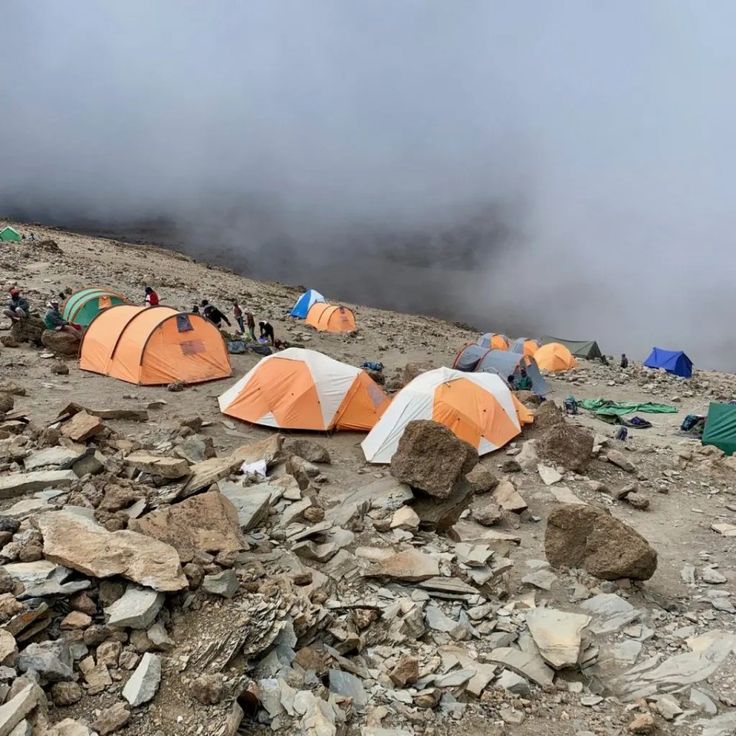
"Whiskey Route" - Most popular route with excellent acclimatization and scenic variety.
Success Rate: 90%
Difficulty: Medium-Hard
Crowd Level: High
View Itinerary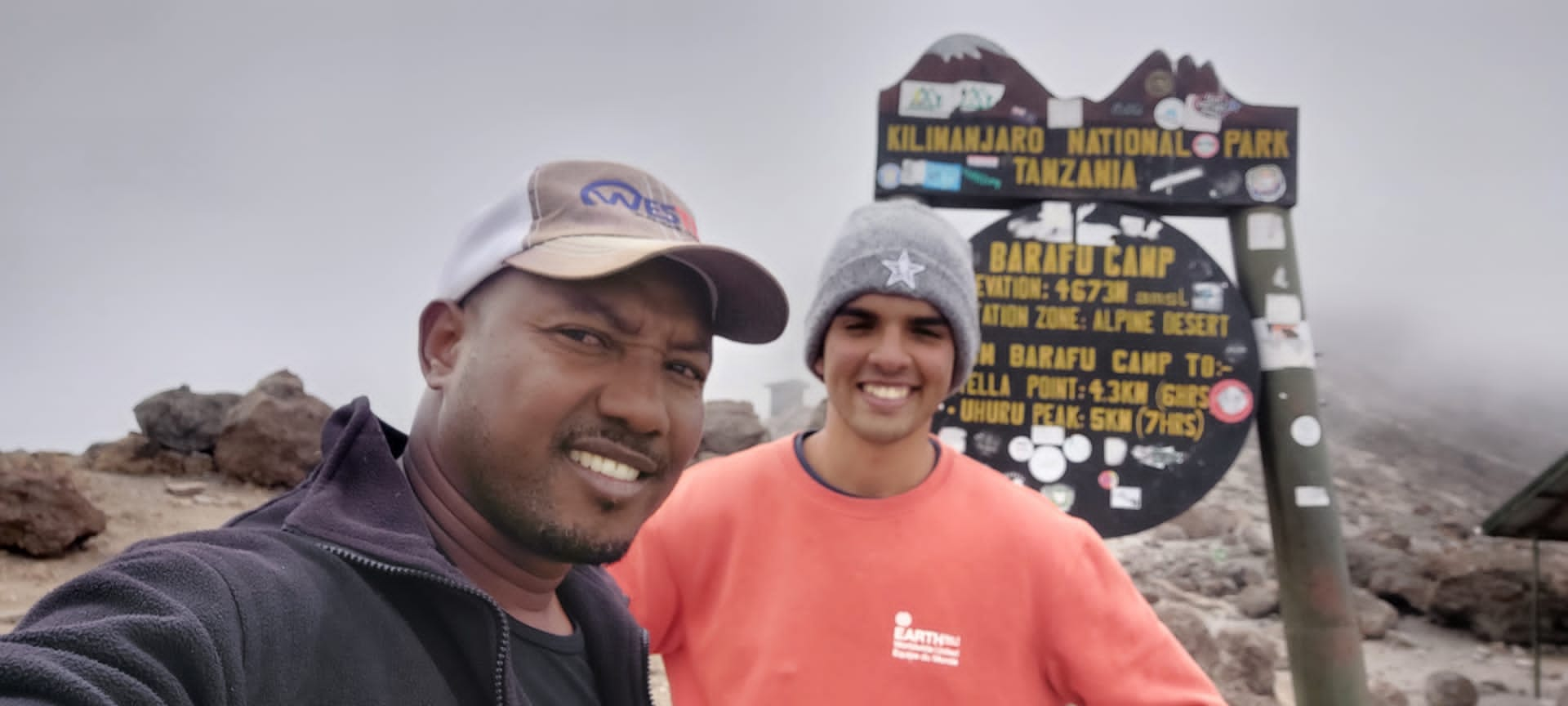
Most scenic route with gradual ascent, highest success rate, less crowded.
Success Rate: 95%
Difficulty: Medium
Crowd Level: Low-Medium
View Itinerary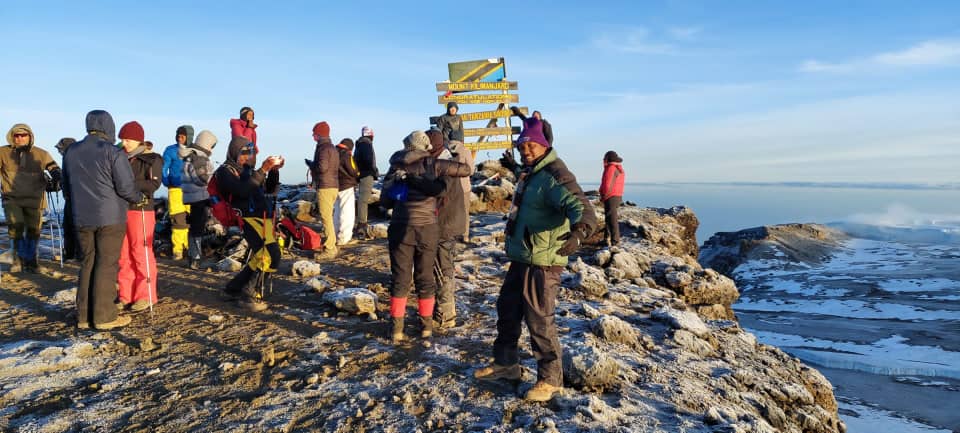
"Coca-Cola Route" - Only route with hut accommodation, shortest duration.
Success Rate: 70%
Difficulty: Medium
Crowd Level: High
View Itinerary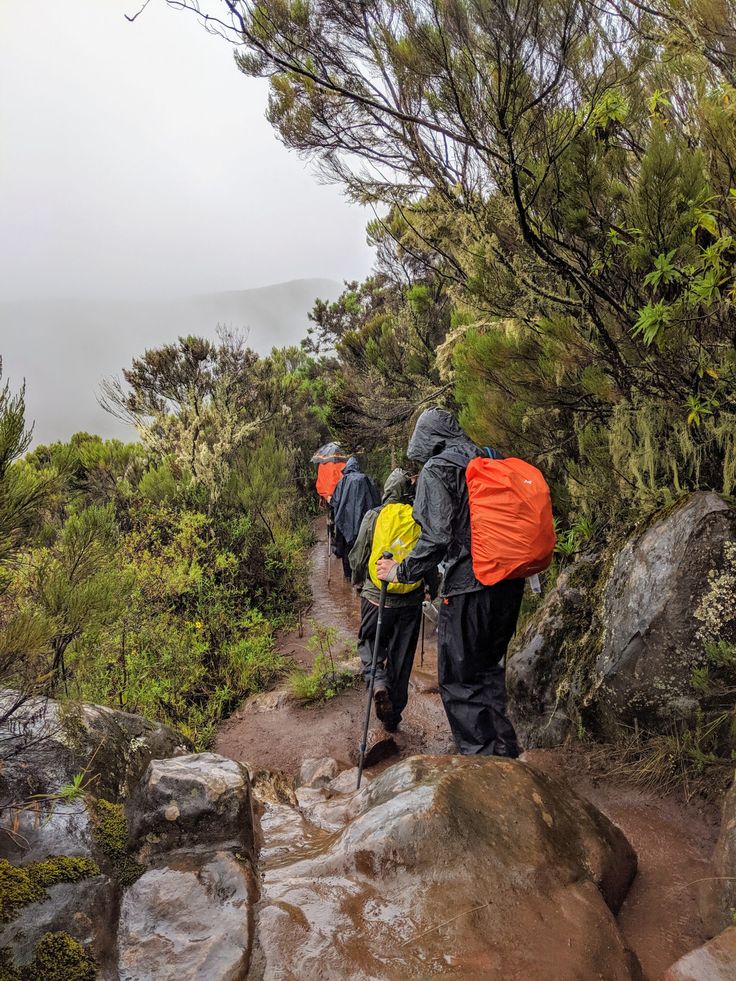
Northern approach, drier conditions, excellent for rainy seasons.
Success Rate: 85%
Difficulty: Medium
Crowd Level: Low
View Itinerary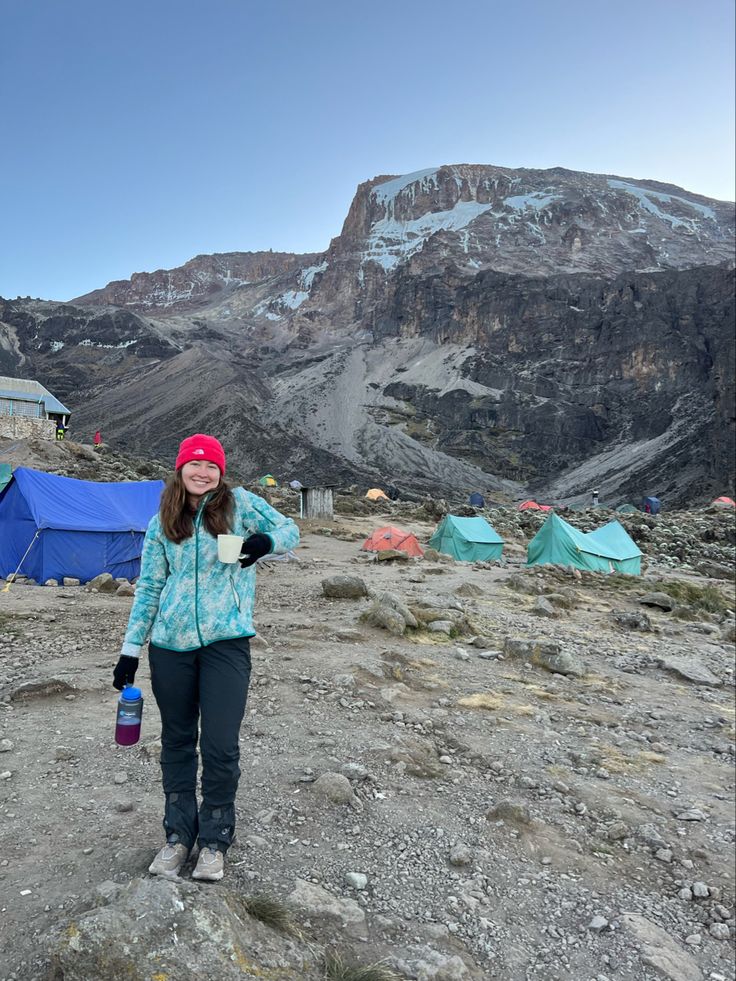
Longest route, best acclimatization, crosses remote northern slopes.
Success Rate: 98%
Difficulty: Medium
Crowd Level: Very Low
View Itinerary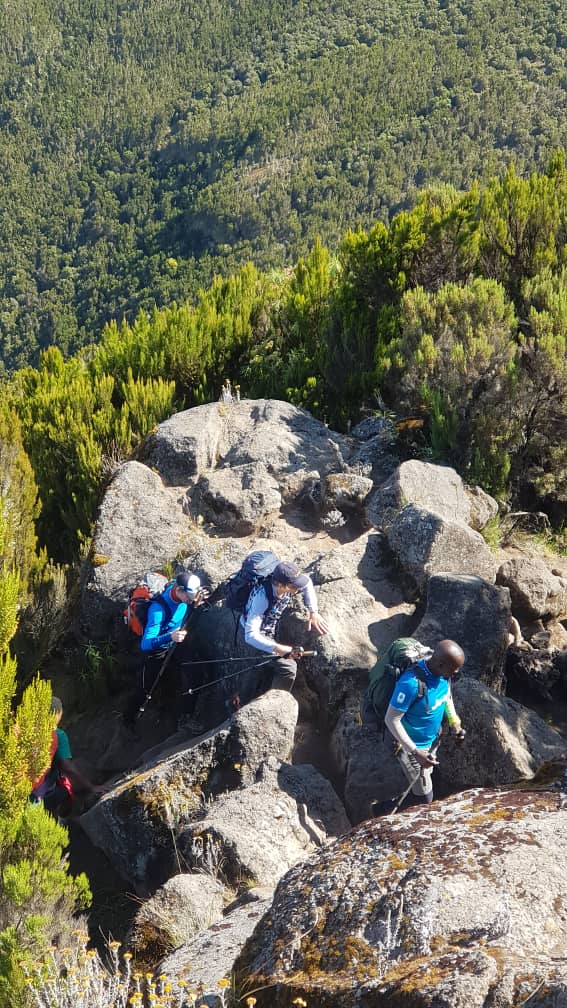
Shortest, steepest, most challenging route for experienced trekkers.
Success Rate: 65%
Difficulty: Very Hard
Crowd Level: Very Low
View ItineraryKilimanjaro is a non-technical climb, meaning no special climbing skills or equipment are required. However, it's physically demanding due to the altitude (5,895m/19,341ft). The difficulty varies by route - Marangu (medium), Machame (medium-hard), Lemosho (medium), Rongai (medium), Northern Circuit (medium), Umbwe (very hard). Success rates range from 65% on Umbwe to 98% on Northern Circuit. Good physical fitness, proper acclimatization, and choosing the right route are key to success.
Our all-inclusive packages include: Airport transfers, hotel accommodation before/after climb, all park fees and permits, certified guides and porters, quality camping equipment (tents, sleeping mats), mess tent with tables/chairs, all meals on the mountain, drinking water, emergency oxygen, first aid kit, pulse oximeters for altitude monitoring, and celebration certificate. Not included: International flights, travel insurance, tips for crew, personal climbing gear rental, Tanzania visa, personal expenses.
Kilimanjaro climbing costs range from $2,000 to $6,000+ per person depending on: Route duration (6-9 days), group size (private vs group), service level (budget vs luxury), time of year (peak vs low season). Our group climbs start at $2,200 for 7-day Machame route. Private climbs start at $2,800. Longer routes (8-9 days) cost more but have higher success rates. We recommend budgeting an additional $300-500 for tips, gear rental, and personal expenses.
For first-time climbers, we recommend: 1) Lemosho Route (8 days) - Best overall with excellent acclimatization and scenery, 2) Machame Route (7 days) - Most popular with good success rate, 3) Northern Circuit (9 days) - Highest success rate but longest duration. Avoid: Umbwe Route (too steep/quick), Marangu Route (poor acclimatization), Rongai (less scenic). We generally recommend routes of 7+ days for better acclimatization and success rates.
Recommended training 2-3 months before climb: Cardiovascular exercise 4-5 times/week (running, cycling, swimming), strength training 2-3 times/week (focus on legs, core), hiking with weighted backpack (start with 5kg, work up to 10-15kg), stair climbing with backpack, altitude simulation if possible. Aim to be comfortable hiking 6-8 hours with elevation gain of 1,000m carrying 8-10kg. Mental preparation is equally important - summit night is challenging both physically and mentally.
Altitude sickness affects 75% of climbers above 3,000m. Symptoms include headache, nausea, dizziness, fatigue. Prevention: Choose longer routes (7+ days) for better acclimatization, climb high - sleep low, stay hydrated (3-4L water daily), walk slowly (pole pole), consider altitude medication (Diamox) after consulting doctor. Our guides are trained in altitude first aid, carry pulse oximeters, and monitor clients daily. Serious cases (HAPE/HACE) require immediate descent - we have evacuation plans in place.
Our Kilimanjaro specialists are ready to help you plan your successful summit. We'll recommend the best route based on your fitness level, experience, and preferences. Contact us today for a free, no-obligation consultation and detailed quote.
Why book with us?
• 90%+ success rate on all routes
• Certified guides with 10+ years experience
• Small group sizes (max 8 climbers)
• Quality equipment and nutritious meals
• 24/7 support from booking to summit